Skip to content

What Can Hamsters Eat - Safe Foods and What to Avoid

A hamster diet page that names its sources, refuses to publish portion sizes, and explains the one thing that quietly ruins most hamster diets: selective feeding.

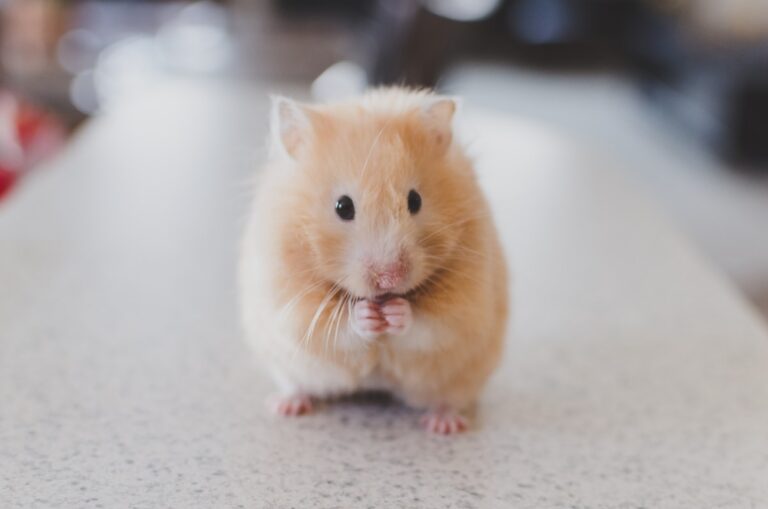
Hamster eating a seed

This page is not veterinary advice. Paw Multiverse is not a veterinary practice. We cannot examine, diagnose or treat your animal. There are no medicines here, no doses, no home remedies and no treatment steps, on purpose. If your pet is unwell, has swallowed something, or has changed in a way you cannot explain, ring your vet or your nearest emergency clinic and let them decide. Full disclaimer.

What a hamster is, nutritionally

Hamsters are omnivores. In the wild they eat a variety of plants and insects, which is worth holding on to, because most of the diets sold for them look like a bird table (Vet Help Direct, what is the best food for hamsters, read 4 August 2026).

Two pieces of anatomy shape everything else. The cheek pouches, which they use to carry food away and either eat it later or bury it in the enclosure. And the teeth, which grow continuously and need gnawing material to wear against.

Those two facts have a consequence owners rarely think about: you cannot tell how much a hamster has eaten by looking at the bowl. Food leaving the bowl often means food has been moved, not consumed.

The base of the diet, and the problem with muesli mixes

The RSPCA’s description of the staple is short: “A compound pellet ration or mixture of different seeds” (RSPCA, hamster diet, read 4 August 2026).

Vet Help Direct is more specific about which of those two options tends to work better in practice, recommending “a high quality nutritionally balanced nugget food specifically formulated for pet hamsters”, and it explains the failure mode of the alternative. Muesli-style mixes “often have a high sugar content. Your hamster will selectively pick out the nicer bits and leave the healthy stuff resulting in a poor diet.”

That mechanism is called selective feeding, and it is the single most useful thing on this page. A mixed bowl looks generous and lets a small animal build itself an unbalanced diet out of the best-tasting components while the rest gets ignored or buried. A uniform nugget removes the choice, which is the whole point of it.

If your hamster is currently on a mix and you want to change, do it gradually and ask your vet how, because a sudden change of food in a very small animal is not a trivial thing.

Fresh food, and why we publish no amounts

The RSPCA describes fresh food as an addition rather than a base: “small quantities of greens, cleaned root vegetables and pieces of fruit such as apples”.

Note the three qualifiers in that sentence. Small quantities. Cleaned. And fruit as pieces, not as a portion of the diet.

You will find pages, including veterinary ones, giving exact daily quantities in teaspoons. We are not reproducing them. This site does not publish feeding amounts for any species, and a hamster is exactly the case where that rule earns its keep: the animals are tiny, the difference between species is large, and the right amount depends on the individual, its weight, its age and what else it is being fed. Ask your vet what is right for your hamster and follow that rather than a number from a website.

What we will say is the qualitative part, which does not vary: fresh food is a top-up, not a foundation, and anything left uneaten needs removing before it spoils, particularly since a hamster will have taken some of it into the nest where you cannot see it.

What to keep out of the bowl

The RSPCA names two specifically: “Don’t give” hamsters “grapes or rhubarb, as these can be poisonous to rodents”.

Beyond that, we are deliberately not publishing the long toxic-food lists that circulate on hamster sites, because they are copied between pages without sources and we cannot verify them. Vet Help Direct notes only that some items can be toxic and refers readers to a veterinary charity rather than listing them, which tells you something about how solid the widely-circulated lists actually are.

The working rule that does not require a list: a hamster’s food comes from a food formulated for hamsters, plus small amounts of fresh plant food. Human snacks, anything sweet, anything salty, anything fatty and anything processed are not hamster food, whatever a website says about a particular item. If your hamster has eaten something and you do not know whether it matters, ring your vet rather than searching for it. Small animals have very little margin, and the phone call is free.

Water

The RSPCA is specific here too: “Hamsters need a constant supply of fresh, clean drinking water, preferably from a bottle with a valveless sipper tube.”

That word valveless is doing real work. The RSPCA notes that traditional ball-valve sipper tubes may be difficult for hamsters to use because of the resistance in the water flow. A hamster struggling with a stiff bottle can look exactly like a hamster that is drinking normally, since you are judging by a water level that barely moves anyway.

The RSPCA also notes that wet or powdered food should only be given if you are advised to by your vet, for example because of dental problems. That is not a decision to make yourself.

Teeth, pouches and the larder you cannot see

The RSPCA describes hamsters carrying food in their cheek pouches and retreating to nesting areas to eat it or store it for later. Store it is the important half. A hamster builds a larder, and a larder is normal, expected behaviour that should not be dismantled entirely.

Two practical consequences. First, check the nest area regularly and remove anything fresh or perishable that has been stored there, while leaving dry food alone. Second, judge intake by the hamster rather than by the bowl: body condition, activity and behaviour tell you more than the amount of food remaining.

On teeth, the continuously growing incisors need something to wear against, which means suitable gnawing material as a permanent fixture rather than an occasional treat. We are not going to tell you what to treat a dental problem with, because that is veterinary work, but a hamster that is dropping food, chewing oddly, drooling, has a wet chin or has stopped eating needs a vet rather than a change of diet.

The Merck Veterinary Manual notes that checking for blocked cheek pouches is part of a routine hamster examination, which tells you that pouch problems are common enough to be looked for as standard (Merck Veterinary Manual, routine health care of hamsters, read 4 August 2026). A swelling at the side of the face that does not go down is a reason to ring.

What actually goes in the bowl

The whole page, in one panel.

  THE BOWL                          NOT THE BOWL
  ================================================================
  a complete food formulated        muesli-style mixes with a high
  for hamsters, ideally as a        sugar content, which let a
  uniform nugget so the animal      hamster pick out the nice bits
  cannot pick and choose            and leave the rest
  ----------------------------------------------------------------
  small quantities of greens,       grapes and rhubarb, which the
  cleaned root vegetables, and      RSPCA names as poisonous to
  pieces of fruit such as apple,    rodents
  as a top-up and not a base
                                    human snacks: sweet, salty,
  ----------------------------      fatty or processed
  constant fresh water, ideally
  from a VALVELESS sipper tube,     wet or powdered food, unless
  because ball-valve tubes can      your vet has told you to use it
  be hard for a hamster to use
  ----------------------------------------------------------------
  permanent gnawing material,       amounts from a website. ask
  because the teeth never stop      your vet what is right for
  growing                           YOUR hamster
  ================================================================
  Remember the larder. Food leaving the bowl often means food has
  been moved into the nest, not eaten.

A weekly routine that takes five minutes

Almost every hamster feeding problem is a housekeeping problem. This is the housekeeping.

Tick as you go.

Daily

Twice a week

Weekly

Whenever you change anything

Keep to hand

Nothing you tick is stored or sent anywhere. Print this page to keep a paper copy.

When to ring the vet

Hamsters are small, they hide illness well, and they go downhill quickly. That combination means the threshold for ringing should be lower than it would be for a dog or a cat, not higher.

Ring your vet if a hamster has stopped eating or drinking, or is eating noticeably less. If there is a swelling at the side of the face that does not reduce. If there is drooling, a wet chin or wet fur around the mouth, food being dropped, or any difficulty chewing. If there is weight loss, or a coat that has changed. If droppings have changed in number or appearance, or if there is any wetness or soiling around the back end. If the hamster is hunched, quiet, unwilling to move, or is not coming out at its normal times. If breathing has changed in any way. If it has eaten something you did not intend it to eat.

We are not going to tell you what any of that means, or what to do about it at home. There is nothing on this page to give a hamster, and that is deliberate. The two-minute preparation covers what to have ready, and find an emergency vet matters more than usual here, because not every practice sees small mammals out of hours and it is worth knowing which one near you does before you need it.

Where these facts come from

Every claim above was read on the source named beside it, on 4 August 2026. The staple diet description, the fresh food description, the grapes and rhubarb warning, the water and valveless sipper tube guidance, the note on wet or powdered food, and the cheek pouch and hoarding behaviour come from the RSPCA. The omnivore description, the nugget recommendation, the selective feeding problem with muesli mixes and the continuously growing teeth come from a veterinary article at Vet Help Direct. The point about blocked cheek pouches being checked routinely comes from the Merck Veterinary Manual. Quantities, portion sizes and long unsourced toxic lists have been left out on purpose.

General information, not veterinary advice. Exotic pets hide illness well - find a vet experienced with small animals before you need one. Full disclaimer.
Paw Multiverse app

Get the Paw Multiverse app

Instant "can my pet eat that?" answers, free calculators & emergency vet help - straight from your home screen. No app store needed.

A project by A.I.T. Multiverse Consulting Ltd · paw@aitmultiverse.com