Skip to content

What Can Pet Birds Eat - The Seed Bowl Problem Explained

The seed bowl is the main cause of nutritional disease in pet birds, and avocado is the food that kills them. Everything here comes from the Merck Veterinary Manual, with the source named on every claim.

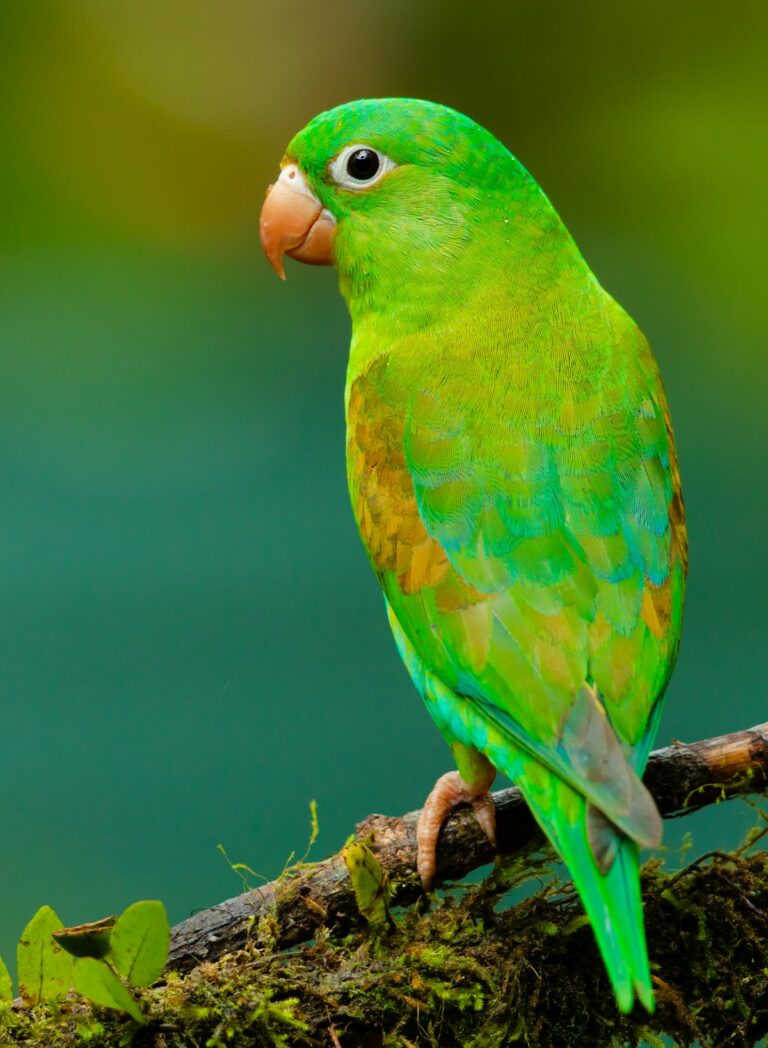
Colorful parakeet perched on a branch

This page is not veterinary advice. Paw Multiverse is not a veterinary practice. We cannot examine, diagnose or treat your animal. There are no medicines here, no doses, no home remedies and no treatment steps, on purpose. If your pet is unwell, has swallowed something, or has changed in a way you cannot explain, ring your vet or your nearest emergency clinic and let them decide. Full disclaimer.

The seed bowl is the problem, not the solution

The picture in most people’s heads is a budgie and a bowl of seed. It is also, according to the veterinary literature, the main cause of nutritional disease in pet birds.

The Merck Veterinary Manual is unambiguous: “Strictly seed diets, regardless of supplementation, are suboptimal for psittacine species because seeds are deficient in vitamin A, protein (the amino acids lysine and methionine, in particular), calcium, and other nutrients” (Merck Veterinary Manual, nutrition in psittacines, read 4 August 2026).

Its companion article on nutritional disorders adds the mineral picture: all-seed diets are “low in calcium and vitamin D and high in phosphorus”. Seeds and nuts are high in fat, and birds will selectively eat them in preference to healthier alternatives, which is the same selective feeding trap that ruins small mammal diets. It also notes a hazard nobody thinks about: “improperly stored seeds and peanuts in the shell can grow mold inside that damages the liver” (Merck Veterinary Manual, nutritional disorders of pet birds, read 4 August 2026).

So the first question is not what to add to the seed. It is whether seed should be the base at all.

What the manual says should be the base

“Pelleted and extruded diets that have been produced for parrots have tremendously improved their nutritional intake and subsequent health and quality of life.” That is the manual’s assessment, with an important caveat attached: pelleted diets vary in quality and each one has to be evaluated on its own merits rather than assumed to be adequate because it is a pellet.

Nutrient requirements are species-specific, and the manual gives different protein and fat ranges for budgerigars and cockatiels than for grey and Timneh parrots. That is precisely why this page will not tell you what to feed your bird. The right formulated diet for a cockatiel is not the right one for an African grey, and the person who should choose is a vet who sees birds.

Moving a seed-addicted bird onto a formulated diet is genuinely difficult and can be dangerous if done carelessly, because a bird that refuses the new food can go downhill very fast. Do it with veterinary supervision. This is not a change to attempt on a long weekend.

Fresh food, and the limits on it

Fresh food has a place, and it is a smaller and more careful place than most bird pages suggest. The manual’s own framing is a warning: “Care should be taken in what is fed, and extra items should not disturb the ingredient and nutritional balance in the diet.”

In other words, a well-formulated diet is balanced, and piling extras on top of it unbalances it. Fresh food is not a free addition.

One specific mention worth passing on: blueberries, fresh rather than thawed, for maximum antioxidant content. And one myth retired: grit. The manual states that grit, needed by some passerines and pigeons to grind whole seeds, “is not needed by psittacines that remove seed hulls before ingestion”. Parrots hull their seeds. They do not need grit.

The foods that are genuinely dangerous

Avocado. This is the one that kills birds. The Merck Veterinary Manual lists budgerigars, canaries, cockatiels and ostriches among susceptible species, names the toxic compound as persin, and states that “Ingestion of avocado fruit, leaves, stems, and seeds has been associated with toxicosis in animals; leaves are the most toxic part”. The effects described in birds are lethargy, difficulty breathing, loss of appetite, fluid swelling under the skin of the neck and chest, and death. The manual records budgerigars fed 8.7 grams of mashed avocado fruit dying within 48 hours (Merck Veterinary Manual, avocado toxicosis in animals, read 4 August 2026).

That figure is published as a threshold of harm, not as anything to measure. The practical instruction is simpler than any number: avocado does not enter a room where a bird flies free, and guacamole on a plate on a table is a hazard.

Iron. The manual’s list of foods to avoid begins with “iron-fortified baby foods and juices, table foods enriched with iron or ferrous sulfate”, and it warns separately that carnivorous diets “cause iron storage disease in grey parrots, which are predominantly herbivorous”. Iron is the quiet one, because the foods carrying it look harmless.

The rest of the named list. Animal products, primate biscuits, and large amounts of citrus fruits.

Chocolate, caffeine, alcohol and salt appear on every bird site in existence. We are not going to add them to a sourced list without a source, but the working rule covers them anyway: human food, and anything sweet, salty, fatty or processed, is not bird food.

The deficiency diseases seed diets produce

These are the conditions the manual attributes to the seed bowl, and knowing their names helps you take a vet seriously when they mention one.

Vitamin A deficiency. Common in seed-fed birds. Signs listed include respiratory discharge, swelling around the eyes, poor feather quality and loss of appetite, and severe cases can develop mouth abscesses that block the airway. Crucially, the manual warns that supplementing is not the answer and can itself do harm: “giving your bird large amounts of vitamin A supplements can be dangerous and might cause reproductive problems, bone deformities, and liver disease.” Do not treat this at home.

Hypocalcaemia. “Acute (rapid-onset) hypocalcemia (a low level of calcium in the blood) is a condition of birds that is more common in birds (especially African grey parrots) that are fed all-seed diets.” Signs include tremors and seizures. The manual states plainly that the exact cause is unknown, which is worth repeating rather than smoothing over.

Obesity. The manual defines it precisely: “A bird is considered obese if it weighs 20% more than its ideal body weight”, names macaws and Amazon parrots as commonly affected, and links it to fatty liver disease and heart disease.

The bird diet, laid out

Everything above, in one panel you can photograph.

  BASE                          TOP-UP              NEVER
  ================================================================
  a formulated pelleted or      small amounts of    avocado. fruit,
  extruded diet chosen for      fresh plant food,   leaves, stems and
  YOUR species, with your       kept small enough   seeds. leaves are
  vet. quality varies           not to unbalance    the most toxic
  between products and each     the base diet       part. budgerigars,
  has to be judged on its                           canaries and
  own                           blueberries, fresh  cockatiels are all
                                rather than         susceptible
  ----------------------------  thawed
  seed as a base is the                             iron-fortified
  documented problem, not                           baby foods and
  the solution: deficient in    ------------------  juices, and table
  vitamin A, protein,           NOT NEEDED          foods enriched
  lysine, methionine and        grit. parrots hull  with iron
  calcium, low in vitamin D,    their own seeds
  high in phosphorus, high                          animal products,
  in fat                        vitamin A supple-   primate biscuits,
                                ments bought        large amounts of
  badly stored seeds and        without veterinary  citrus
  in-shell peanuts can grow     advice: over-
  mould that damages the        supplementing does  human food of any
  liver                         its own harm        kind

A weekly routine

Most of what goes wrong with pet bird diets is invisible for months and then arrives all at once. This is how you see it coming.

Tick as you go.

Every day

Every week

Every month

Kitchen and household rules

Keep to hand

Nothing you tick is stored or sent anywhere. Print this page to keep a paper copy.

When to ring a vet who sees birds

Birds conceal illness thoroughly, because in the wild an obviously unwell bird is an obviously easy meal. By the time a pet bird looks ill to its owner, it has often been unwell for some time. Treat any of the following as a reason to ring today rather than watch.

Sitting fluffed up on the floor of the cage, or sitting on both feet on a perch when it normally rests on one. Any change in breathing: faster, tail bobbing with each breath, open beak, clicking or wheezing. Discharge from the nostrils or eyes, or swelling around the eyes. A change in droppings, in any of the three components, or in number. Not eating, or eating less, or dropping food. Loss of weight or a keel bone that feels sharper than it used to. Feathers in poor condition, or plucking. Tremors, wobbliness, weakness in the legs, or any seizure. Sitting quietly when it is normally noisy.

We publish no doses, no supplements, no home treatments and no emergency measures on this page, on purpose. Find a vet who actually sees birds before you need one, because not every practice does. Find an emergency vet and the two-minute preparation are both worth reading now rather than at the time.

Where these facts come from

Every claim above was read on the source named beside it, on 4 August 2026, and nothing here was written from memory. The seed diet deficiencies, the pelleted diet assessment, the grit statement, the blueberry note, the iron storage disease point and the species-specific nutrient ranges come from Merck Veterinary Manual, nutrition in psittacines. The mineral profile of seed diets, the mould hazard, vitamin A deficiency and the warning about over-supplementation, hypocalcaemia in African greys, the obesity definition and the list of foods to avoid come from Merck Veterinary Manual, nutritional disorders of pet birds. The avocado material comes from Merck Veterinary Manual, avocado toxicosis in animals.

General information, not veterinary advice. Exotic pets hide illness well - find a vet experienced with small animals before you need one. Full disclaimer.
Paw Multiverse app

Get the Paw Multiverse app

Instant "can my pet eat that?" answers, free calculators & emergency vet help - straight from your home screen. No app store needed.

A project by A.I.T. Multiverse Consulting Ltd · paw@aitmultiverse.com